• Home
  • Blog
  • Content Marketing Strategy for Lead Generation: A Step-by-Step Guide

Content Marketing Strategy for Lead Generation: A Step-by-Step Guide

Content marketing strategy for lead generation guide by Beetle Dynamics

Most content marketing fails not because the content is bad, but because it was never connected to a business outcome. Blog posts get written, published, and forgotten. Traffic trickles in, nobody converts, and eventually the whole effort gets labelled as “not working” before it ever had a real strategy behind it.

Content marketing that generates leads is a system, not a collection of articles. Every piece of content has a role: to attract a specific type of person, answer a specific question they have at a specific stage of their decision-making, and move them closer to contacting you. This guide explains how to build that system from scratch.

Start With Your Customer’s Questions, Not Your Business’s Messages

The biggest mistake businesses make when starting content marketing is writing about themselves — their services, their team, their history, their achievements. This content attracts almost no organic traffic because nobody searches for information about a business they’ve never heard of.

The content that generates leads answers questions your potential customers are actively searching for. A business selling SEO services should write about “why my website doesn’t rank on Google,” “how long does SEO take,” and “technical SEO checklist.” These are things their ideal customers are searching — and when they find helpful, specific answers, they associate the expertise with the brand that provided it.

Start by listing 30 questions your customers ask before they buy, during the sales process, and after they become clients. These are your content topics. Prioritise them by search volume and relevance to your most profitable services.

The Content Funnel: Top, Middle, and Bottom

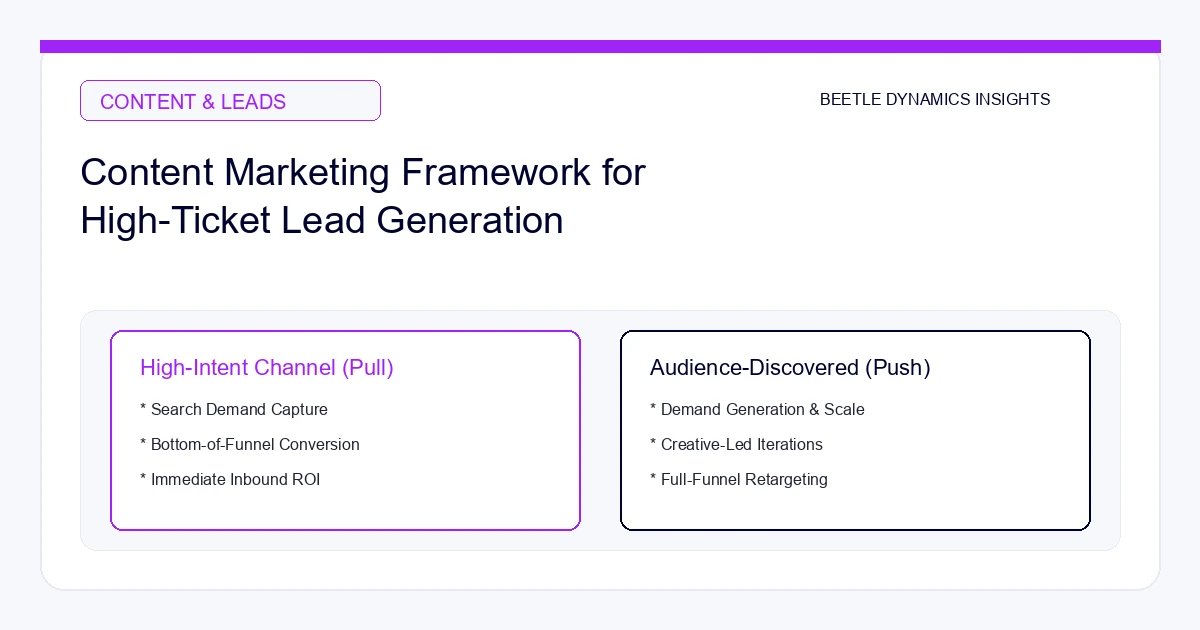
Not all content serves the same purpose. An effective content strategy maps content to the three stages of the buyer’s journey:

Top-of-funnel content attracts new audiences who are becoming aware of a problem or opportunity. This is educational, broadly useful content — guides, explainers, comparison posts, and how-to articles. These pieces drive organic traffic and build brand awareness. They rarely produce leads directly, but they build the audience that your middle and bottom-funnel content converts.

Middle-of-funnel content addresses people who know they need a solution and are evaluating their options. Case studies, methodology posts, comparison guides (“agency vs in-house marketing”), and detailed service explainers belong here. This content builds credibility and positions you as the right choice among alternatives.

Bottom-of-funnel content speaks directly to people ready to make a decision. Pricing guides, service pages, testimonial collections, and “how to get started” posts belong here. This content should have strong calls to action and make it as easy as possible to take the next step with you.

Build Pillar Pages and Topic Clusters for SEO Authority

Google rewards websites that demonstrate genuine expertise across a topic, not just websites that have one good page. The most effective SEO content structure is pillar pages supported by topic clusters.

A pillar page is a comprehensive guide on a broad topic — “The Complete Guide to Content Marketing” or “Everything You Need to Know About Local SEO.” It covers the topic broadly and links out to cluster content that covers specific subtopics in depth.

Cluster pages go deep on individual aspects — “how to write a content brief,” “content distribution strategy,” “how to measure content marketing ROI.” Each cluster page links back to the pillar page. This interlinking structure tells Google that your site is a credible, comprehensive resource on the topic, which helps all pages in the cluster rank better over time.

Turn Readers Into Leads With CTAs That Make Sense

The biggest gap in most content marketing strategies is between “someone read your article” and “someone contacted you.” Content without a clear conversion path produces traffic that never becomes leads.

Every article needs at least one conversion opportunity — but it needs to match the intent of the reader. A person reading a top-of-funnel “what is content marketing” article is not ready to request a proposal. Offer them something appropriate: a related guide, a content audit tool, a newsletter, or a free checklist. These micro-conversions warm them up for eventual commercial conversations.

For bottom-of-funnel content, use direct CTAs: “Request a free content audit,” “Get a custom content strategy,” or “Book a 30-minute strategy call.” These readers are close to deciding — make it easy to take action, and make the first step low-commitment.

Consistency and Distribution: The Content Nobody Sees

Publishing content is only half the work. Content that nobody sees doesn’t generate leads. Distribution is how you get your content in front of the audiences who need it.

Every article should be shared on your social media channels, repurposed into shorter formats for LinkedIn or Instagram, sent to your email list if you have one, and linked to from other relevant pages on your site. Over time, organic search becomes the primary traffic driver as your pages rank — but in the early months, active distribution keeps your content generating value while Google’s crawlers index and rank it.

Consistency matters more than volume. Two well-researched, genuinely useful articles per month, published reliably every month, will outperform six rushed pieces published in one week and then nothing for two months.

Frequently Asked Questions

How long does content marketing take to generate leads?

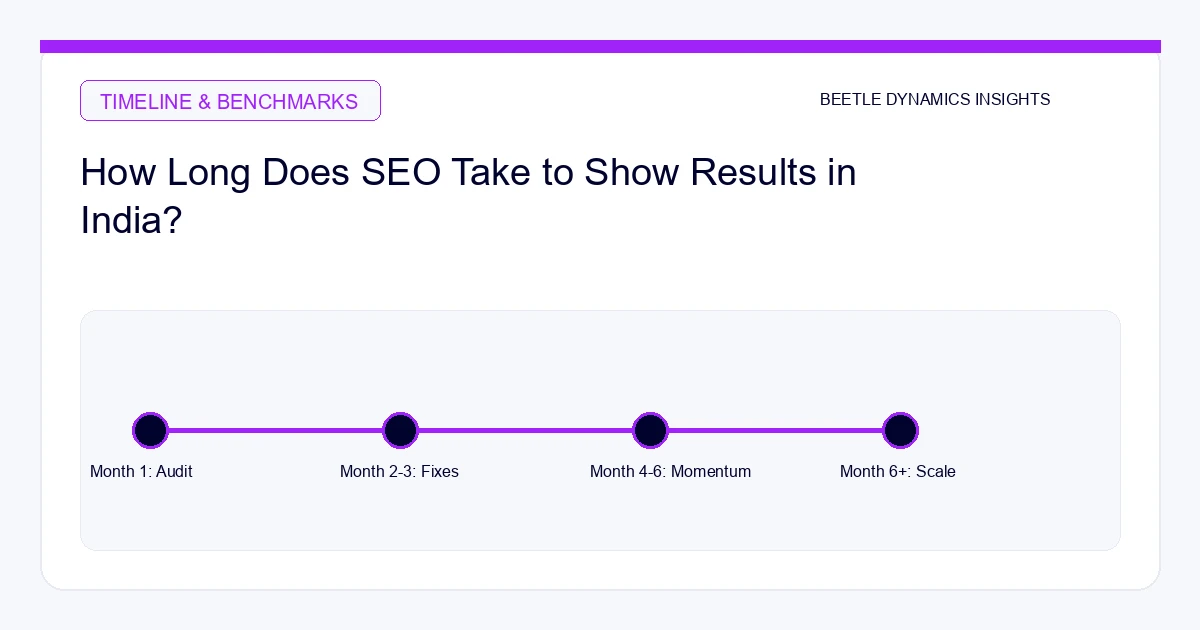
Organic search traffic from content typically builds over 6 to 12 months as pages gain ranking authority. Bottom-of-funnel content targeting high-intent keywords can rank faster and produce leads earlier. Content that is actively distributed through social media and email can drive traffic from the day of publication. Patience combined with consistency is the formula — content marketing compounds in value over time.

How many articles do I need to publish per month?

Quality matters more than quantity. Four to six well-researched, properly optimised articles per month is more effective than twenty thin posts that don’t satisfy search intent. Focus on articles that completely answer a question your audience is searching for — articles that are genuinely better than what currently ranks. These compound in value over months and years.

Should I write the content myself or hire someone?

You should provide the expertise — your knowledge of your industry, your clients’ pain points, and the specific insights that come from your real experience. Writers can translate that expertise into well-structured, engaging articles optimised for search. The best content combines your subject matter knowledge with professional SEO writing — neither alone is as effective as both together.

How do I measure if content marketing is working?

Track organic traffic to your blog and service pages (via Google Analytics and Search Console), keyword ranking improvements over time, the number of leads that attribute their first touchpoint to a blog article, and the conversion rate of visitors to your content pages. Monthly tracking against these metrics shows whether the strategy is on the right trajectory — and where to adjust.

If you want a content marketing strategy built around your business goals and target keywords in India or Dubai, Beetle Dynamics provides content marketing services that include keyword research, content briefs, article creation, on-page SEO, and monthly performance reporting — so your content generates traffic and leads, not just words on a page.

YOU MAY LIKE THIS

Leave a Comment

Your email address will not be published. Required fields are marked *